
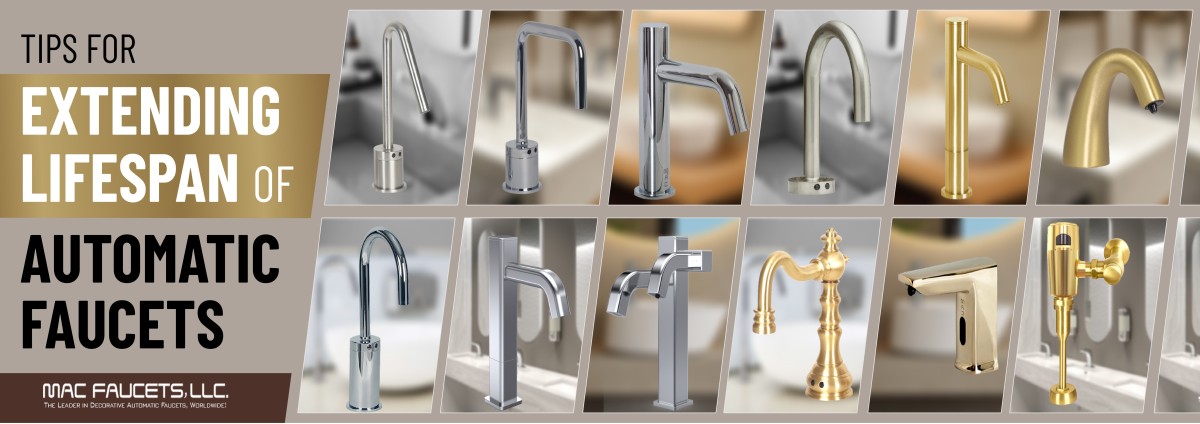
Tips for Extending the Lifespan of Automatic Faucets
By Admin - 12/29/2025 - 0 comments
Automatic faucets are a smart addition to any modern restroom, offering a touch-free experience that enhances hygiene and conserves water. Their presence in hospitality shows a commitment to user comfort and resource management. Yet, like any technology, they require proper care to function correctly for years to come. If you've noticed your faucets aren't performing as they should, you might wonder what you can do.
Fortunately, you don't need to be a plumbing expert to keep your touchless fixtures in top condition. With a bit of proactive attention, you can prevent common issues and avoid premature replacements. This guide offers tips for extending the lifespan of your automatic faucets, which will help protect your investment and maintain a high standard for your facility.
1. Clean the Faucet Exterior Regularly
First impressions matter, and a sparkling faucet contributes to a clean and inviting restroom. Regular cleaning also prevents the buildup of mineral deposits and soap scum, which can affect the faucet's finish and sensor performance.
How To Clean Your Faucet
Use a soft, damp cloth and a mild, non-abrasive cleaner to wipe down the faucet's surface. Avoid harsh chemicals, bleach, or scouring pads, which can scratch the finish or damage the sensor window. Dry the faucet with a clean cloth to prevent water spots and restore its shine. A consistent cleaning schedule keeps your faucets looking great and functioning properly.
2. Inspect and Clean the Sensor Eye
For your automatic faucet to work correctly, the sensor must be kept clear of obstructions. When it's covered in grime, soap residue, or hard water stains, it can't sense when your hands are nearby. Interference often causes faucet malfunction. It might not turn on, run continuously, or work inconsistently.
Sensor Maintenance Steps
Gently wipe the sensor eye with a soft, dry cloth. For stubborn residue, you can use a cloth slightly dampened with water or a mild glass cleaner. Be careful not to scratch the sensor lens. The clear sensor window helps the dispenser activate reliably every time.
3. Check the Batteries or Power Source
Most performance issues with automatic faucets stem from a weak or depleted power source. Whether your faucet runs on batteries or is hardwired, a stable power supply is necessary for its electronic components to work correctly.
Battery-Powered Models
If your faucet starts to malfunction, the first step is to check the batteries. Replace them with high-quality batteries of the correct type that the manufacturer recommends. It's good practice to replace them regularly, perhaps every 12 to 18 months, even if they haven't yet failed. This proactive step can prevent unexpected downtime.
Hardwired Models
For hardwired faucets, ensure the power connection is secure and the outlet is functioning correctly. If the faucet isn't receiving power, check your facility's circuit breaker. If the problem persists, it may be time to consult an electrician to diagnose the issue.
4. Clean the Aerator
The aerator at the tip of the spout can clog with sediment and mineral deposits over time. A blocked aerator restricts water flow and can cause the stream to become weak or spray unevenly.
How To Clean the Aerator
Unscrew the aerator from the faucet spout. You may need a special key or tool, which often comes with the faucet. Use running water to rinse the aerator and remove any loose debris. If you notice mineral buildup, soak the aerator in a mix of half white vinegar and half water. After a few hours, use a small brush to scrub it clean. Reattach it securely once it's clean.
5. Inspect for Leaks
Even a small drip can waste substantial amounts of water and money. Regularly check around the base of the faucet and under the sink for any signs of moisture. Leaks can indicate worn-out seals or loose connections that need attention. Addressing leaks promptly prevents water damage and conserves resources.
6. Adjust Water Temperature and Pressure
Extreme water temperatures and high water pressure can strain your faucet's internal components, such as its valves and seals. This stress can lead to premature wear and failure.
Find the Right Balance
Set the water temperature at a safe and comfortable level to prevent scalding and reduce wear on the faucet. Similarly, ensure the water pressure is within the manufacturer's recommended range. A pressure-reducing valve can be installed if your facility's water pressure is too high. Proper settings protect the faucet and enhance user safety.
7. Educate Your Cleaning Staff
Your maintenance and cleaning teams are on the front lines of faucet care. Provide them with clear instructions on how to clean the faucets without causing damage. Emphasize the need to avoid harsh chemicals and abrasive materials. A well-informed team can contribute greatly to the longevity of your fixtures.
8. Test the Faucet's Functionality Regularly
Periodically test each faucet to confirm it's working as expected. Does it turn on and off promptly? Is the water flowing steadily? Routine checks help catch minor issues before they develop bigger problems that require more extensive repairs.
9. Understand the Control Box
The control box, usually found under the sink, houses the faucet's electronics and solenoid valve. Familiarize yourself with its components. Sometimes, a simple reset can solve functionality issues. Check the manufacturer's guide for instructions on how to reset or troubleshoot common problems.
10. Follow the Manufacturer’s Guidelines
Your faucet user manual is a valuable resource. It has specific recommendations for cleaning, maintenance, and troubleshooting. Following these guidelines helps you care for your faucet the way the manufacturer intended. This is especially true for specialized fixtures, such as commercial faucets, which are designed for high-traffic environments and may require unique maintenance.
Your Ultimate Resource for Faucet Longevity
Taking a proactive approach to maintenance is the best way to maximize the return on your investment. By following these tips for extending the lifespan of your automatic faucets, you can keep your fixtures in excellent working order for years to come. This attention to detail supports a hygienic environment, conserves water, and reflects well on your business.
If you ever need guidance or are looking for reliable, high-quality fixtures, our team at Electronic Faucet is here to help. We offer a range of products designed for durability and performance. Explore our collection today to find the perfect solution for your facility.
All Electronic Faucets products are IAPMO certified.